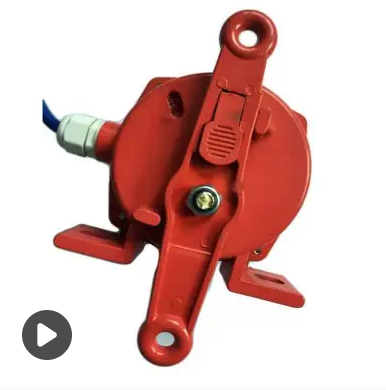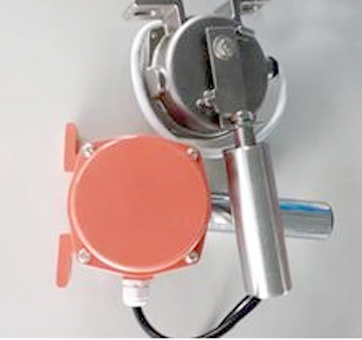
Product Overview:
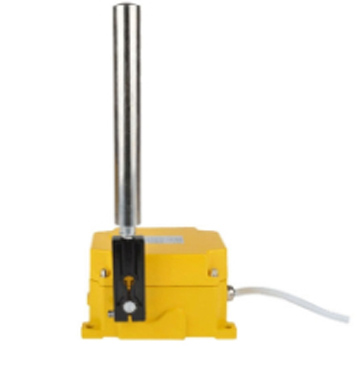
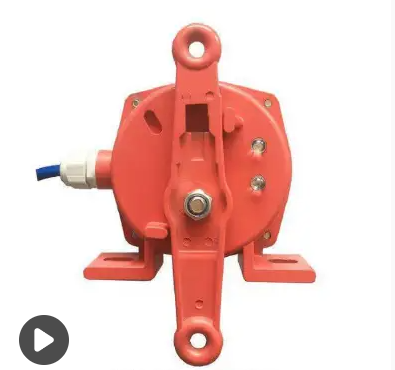
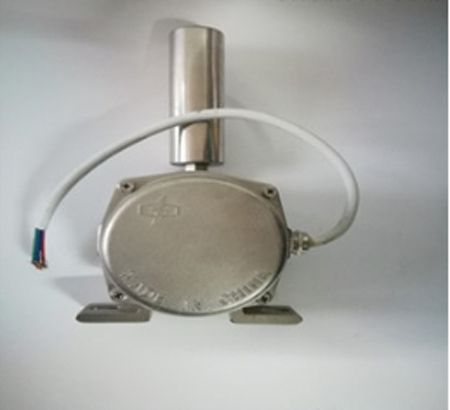
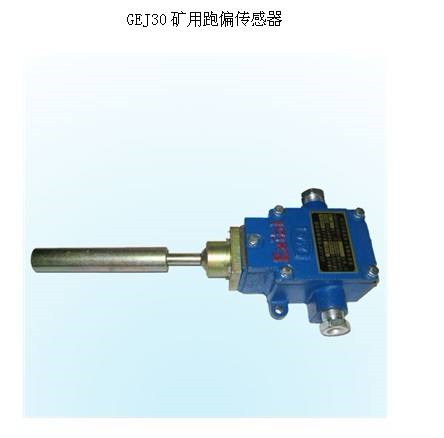
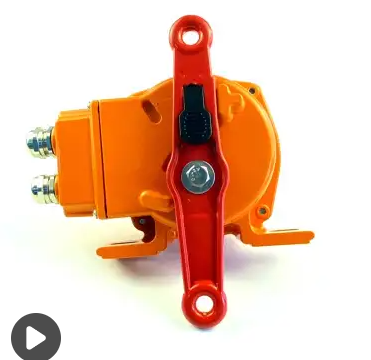
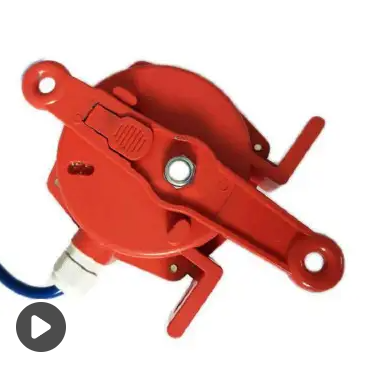
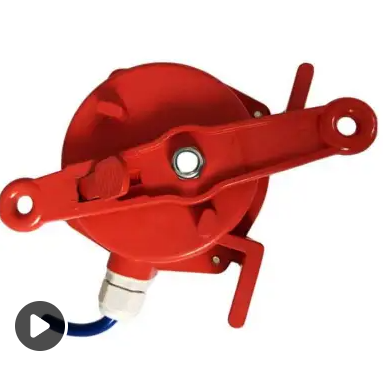
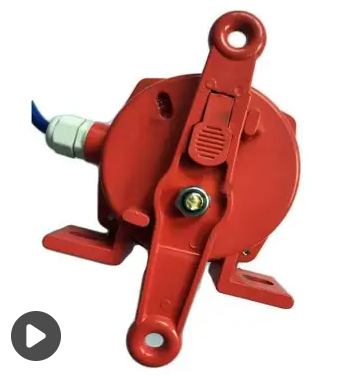
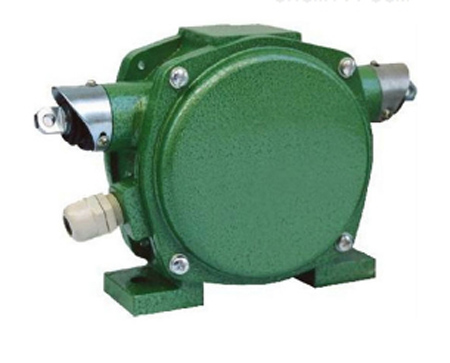
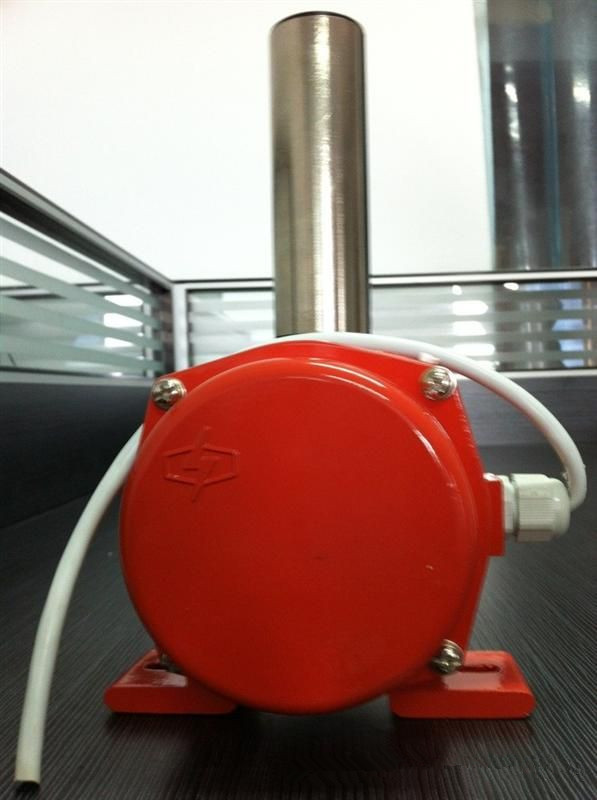
PK1-A2Z deviation switch is a safety protection device designed specifically for conveyor belt systems, mainly used to monitor the deviation status of the conveyor belt and prevent equipment damage and production accidents caused by the deviation of the conveyor belt from the track. This equipment is widely used in industries such as mining, metallurgy, cement, and chemical engineering, and is an important component in ensuring production safety.
Product features:
- High sensitivity monitoringPK1-A2Z adopts advanced sensor technology to monitor the offset of the conveyor belt in real time, ensuring timely response and alarm.
- durableThe equipment casing is made of corrosion-resistant and wear-resistant materials, with good waterproof and dustproof performance, suitable for various harsh industrial environments.
- Dual alarm functionEquipped with a multi-level alarm mechanism, it issues a warning when there is slight deviation and automatically triggers a shutdown when there is severe deviation, ensuring safe operation.
- Simple and Easy to InstallCompact design, easy installation and debugging, suitable for different types of conveyor belt systems, reducing installation time and cost.
- Wide working temperature rangeCan work stably in environments ranging from -30 ℃ to+70 ℃ and adapt to different operating conditions.
Technical parameters:
- Model: PK1-A2Z
- Power supply voltage: AC 220V/DC 24V
- Output form: Relay output
- Detection angle: 0 ° to 20 °
- Protection level: IP65
- Contact capacity: 10A/250VAC
- Working temperature range: -30 ℃ to+70 ℃
- Shell material: aluminum alloy or stainless steel
- Installation method: fixed bracket type
- Alarm method: sound and light alarm or system linkage
working principle:
The PK1-A2Z deviation switch is installed on both sides of the conveyor belt to detect the deviation status of the conveyor belt in real time. When the deviation of the conveyor belt exceeds the set safe angle, the detection roller will also deviate and trigger the internal micro switch, thereby issuing an alarm signal or automatically stopping the machine to ensure the safety of equipment and personnel.
Application areas:
- Mining industryUsed to monitor the transportation of materials such as ore and coal to prevent accidents caused by deviation.
- Cement industrySuitable for conveying raw materials such as cement, lime, sand and gravel, ensuring the safety and stability of the production line.
- Metallurgical industryEnsure the normal operation of equipment and reduce risks in the transportation of metals and ores.
- Chemical industryMonitor the transportation status of chemicals to ensure safe operation and prevent material spillage.
- Ports and docksMonitor the operation of the conveyor belt during cargo loading and unloading to ensure safe operations.
Installation and maintenance:
- Installation locationIt is recommended to install it at key positions on the conveyor belt, such as bends, uphill sections, or near the drive drum.
- Installation methodFix the deviation switch on both sides of the conveyor belt through a bracket to ensure that the detection roller is in proper contact with the surface of the conveyor belt.
- Maintenance suggestionsRegularly clean the equipment and surrounding debris to ensure the flexible operation of the detection roller. Check the electrical connections to ensure proper functioning. It is recommended to conduct a comprehensive inspection once a year to maintain equipment performance.
matters needing attention:
- During installation, ensure that the contact angle between the detection roller and the conveyor belt is appropriate to ensure the sensitivity of the detection.
- Regularly test the alarm and shutdown functions of the equipment to ensure normal operation in emergency situations.
- When used in harsh environments, regular maintenance should be carried out to prevent environmental factors from affecting equipment performance.
Summary of advantages:
- high sensitivityThe PK1-A2Z deviation switch can quickly detect any deviation of the conveyor belt, ensuring safety warning.
- Durable designUsing high-strength materials, it can work stably for a long time in harsh industrial environments.
- Multiple protection mechanismsCombining sound and light alarm and linked shutdown functions to minimize equipment damage and accident risks.
Conclusion:
The PK1-A2Z deviation switch is an important safety monitoring device in the conveyor system, which can effectively ensure the normal operation of the conveyor belt. By real-time monitoring of the deviation status of the conveyor belt, timely warning and automatic shutdown, safety accidents caused by conveyor belt deviation can be reduced, which is particularly suitable for applications in industries such as mining, metallurgy, cement, and chemical engineering.
Related Q&A FAQs:
1. What is the working principle of PK1-A2Z deviation switch?
The PK1-A2Z deviation switch is installed on both sides of the conveyor belt to monitor the deviation status of the conveyor belt in real time. When the offset angle of the conveyor belt exceeds the set value, the detection roller will trigger the internal micro switch, issue an alarm signal or automatically stop the machine. This mechanism can effectively prevent equipment damage and safety accidents.
2. What industries is the deviation switch suitable for?
PK1-A2Z deviation switch is widely used in industries such as mining, metallurgy, cement, chemical, and ports. It can monitor the operation status of the conveyor belt in real time to ensure equipment safety, especially suitable for use in environments with dense material conveying.
3. How to maintain the PK1-A2Z deviation switch?
When maintaining the PK1-A2Z deviation switch, it is necessary to regularly clean and inspect the roller and surrounding environment to ensure its flexible operation. In addition, it is necessary to check the electrical connections and contact status to ensure that the alarm and shutdown functions are functioning properly. It is recommended to conduct a comprehensive inspection once a year to maintain the stability and performance of the equipment.