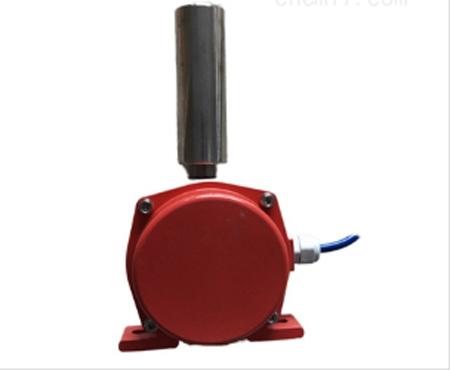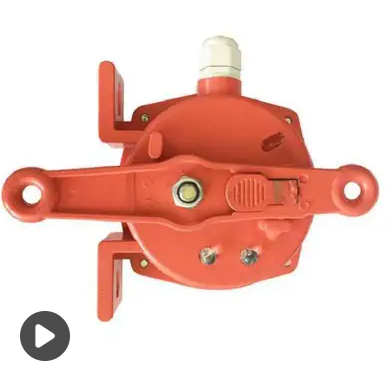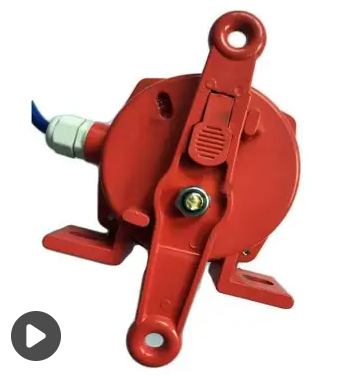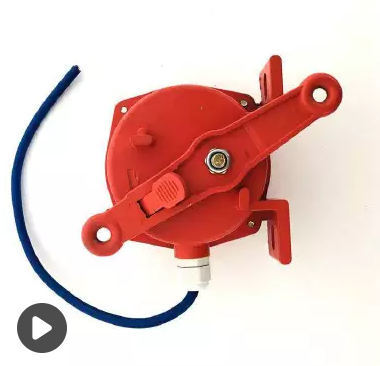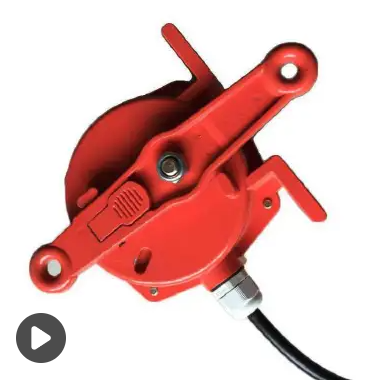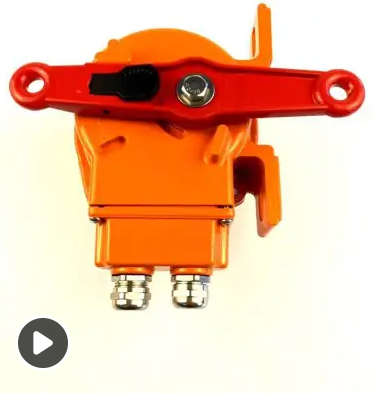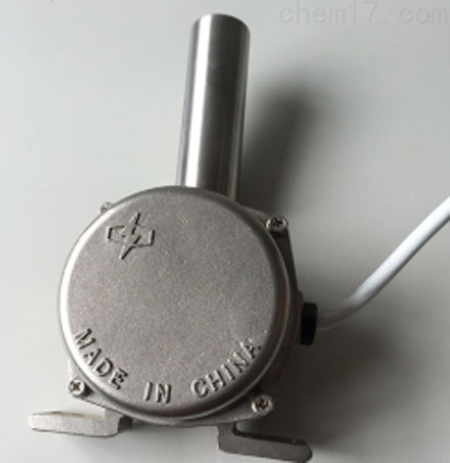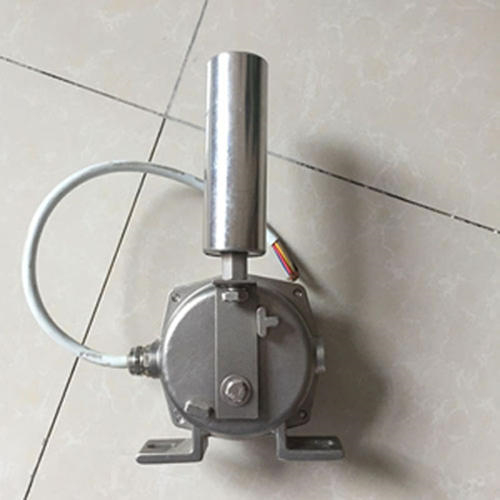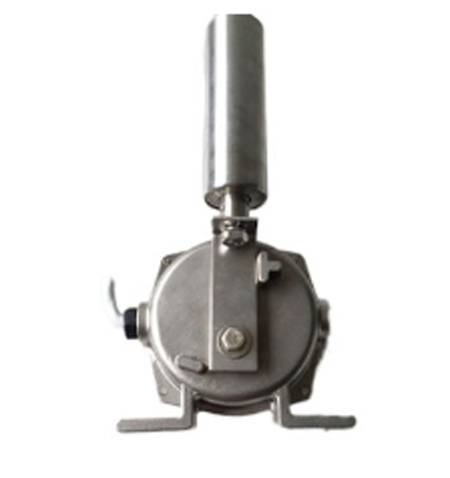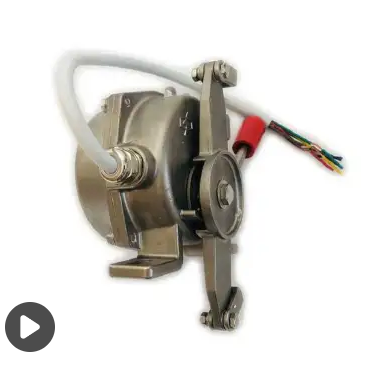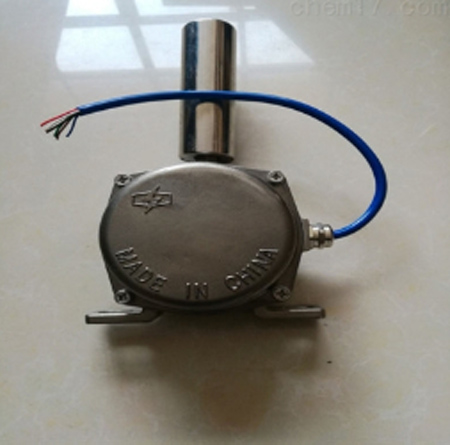
Product Overview
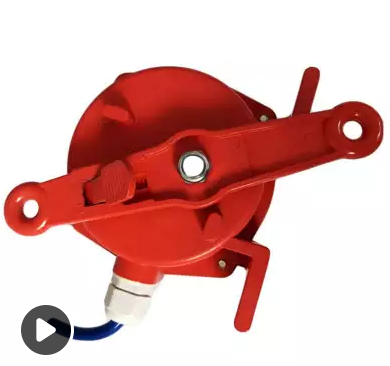
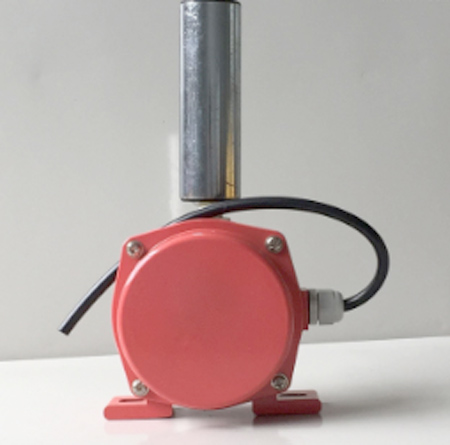
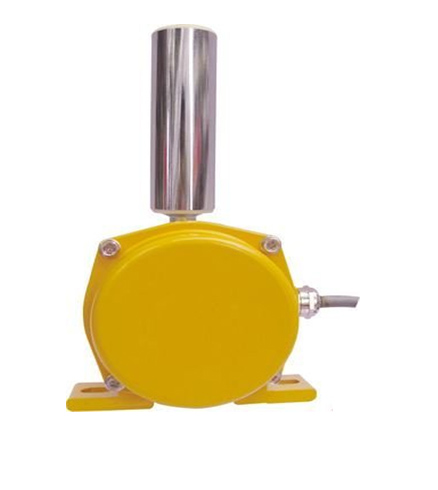
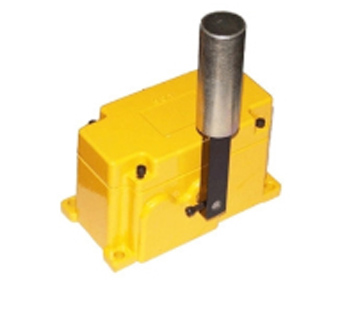
The deviation switch SXFJ-PRDE-G is a safety protection device used in conveyor belt systems, which can detect and prevent deviation problems of the conveyor belt in a timely manner. This equipment is mainly used for belt conveyor systems in industries such as coal mines, ports, electricity, and chemical engineering, ensuring the stability and safety of equipment operation, and avoiding downtime, belt damage, or safety accidents caused by deviation.
Product Features
High sensitivity detectionSXFJ-PRDE-G is equipped with a precision sensing device that can quickly and accurately detect the deviation of the conveyor belt, with high sensitivity, ensuring timely alarm signals.
durableMade of high-quality materials, it has strong corrosion resistance and wear resistance, suitable for long-term use in various harsh environments, and has a long service life.
High protection levelThe product has good waterproof and dustproof design, and can work normally in environments with high humidity and dust. The protection level has reached IP65 standard.
Easy to installCompact design, easy installation and maintenance, no need for complex wiring and adjustments, greatly reducing maintenance costs.
Multiple output formsSupports normally open and normally closed contact outputs, suitable for different types of control systems, ensuring compatibility with existing systems.
working principle
When the conveyor belt deviates, the conveyor belt on the belt conveyor will trigger the roller or sensing rod of the deviation switch SXFJ-PRDE-G, causing it to deviate from its normal position. When the offset angle reaches the set value, the switch will automatically issue an alarm signal to prompt the operator to make adjustments, or directly control the conveyor to stop through the linkage device to prevent accidents from occurring.
technical parameter
Application scenarios
SXFJ-PRDE-G deviation switch is widely used in various belt conveyor systems, especially suitable for places such as mines, ports, power plants, chemical plants, etc. that require high stability and safety of equipment operation. It can effectively prevent damage, shutdown, and potential safety risks caused by the deviation of the conveyor belt, and is an important equipment to ensure the safe operation of the conveyor system.
Maintenance and upkeep
To ensure the long-term stable operation of the deviation switch SXFJ-PRDE-G, it is recommended to regularly inspect and maintain the equipment, especially checking the flexibility, cleanliness, and reliability of the sensing rod or roller, as well as the connection circuit. At the same time, regularly calibrate the detection sensitivity of the equipment to ensure its accuracy in detection.
epilogue
The deviation switch SXFJ-PRDE-G has become an indispensable safety protection device in conveyor belt systems due to its high efficiency, durability, and safety characteristics. It can not only ensure the smooth operation of equipment, but also reduce the cost of downtime and maintenance, which is an important guarantee for enterprises to improve production efficiency.
1. What conveyor belt systems is the SXFJ-PRDE-G deviation switch suitable for?
The deviation switch SXFJ-PRDE-G is widely used in belt conveyor systems in industries such as mining, ports, power plants, and chemical plants. Its high sensitivity and durability make it effective in preventing deviation accidents in conveyor belt systems, ensuring the safe and stable operation of equipment.
2. How to adjust the detection angle of the deviation switch SXFJ-PRDE-G?
The detection angle of the deviation switch SXFJ-PRDE-G can be adjusted between ± 10 ° and ± 30 °. When adjusting, the angle setting knob on the equipment can be adjusted according to the specific requirements of the conveyor belt system. It is recommended to make adjustments during installation or maintenance to ensure optimal detection results.
3. What are the output forms of the deviation switch SXFJ-PRDE-G?
The SXFJ-PRDE-G deviation switch supports two types of contact output: normally open and normally closed. This enables it to be compatible with different types of control systems, whether used for alarm prompts or direct linkage control of conveyor shutdown, and suitable output methods can be selected according to specific application scenarios.