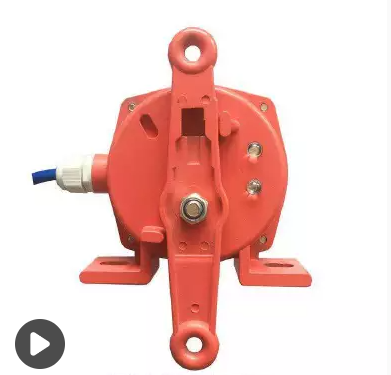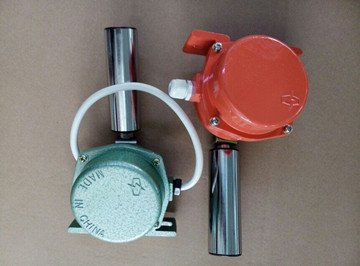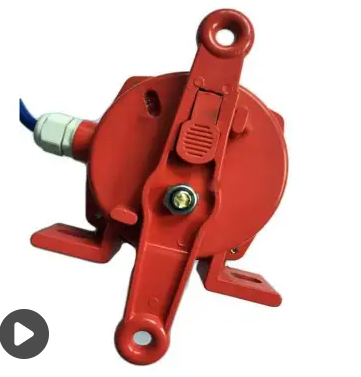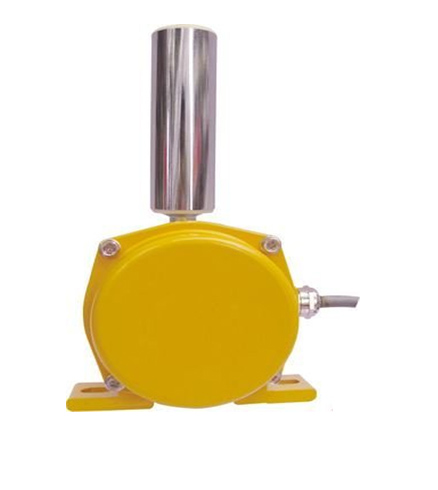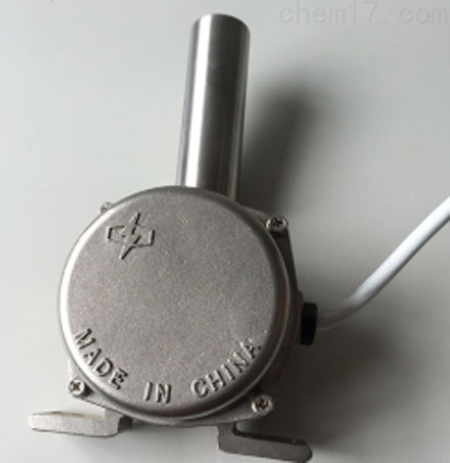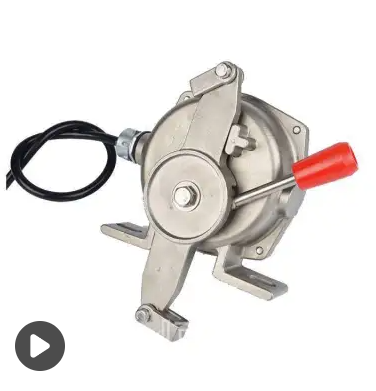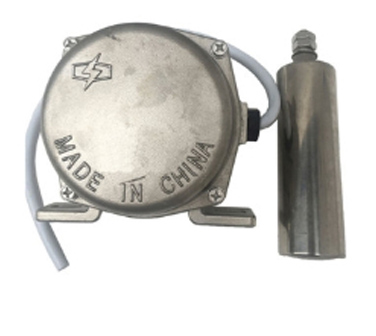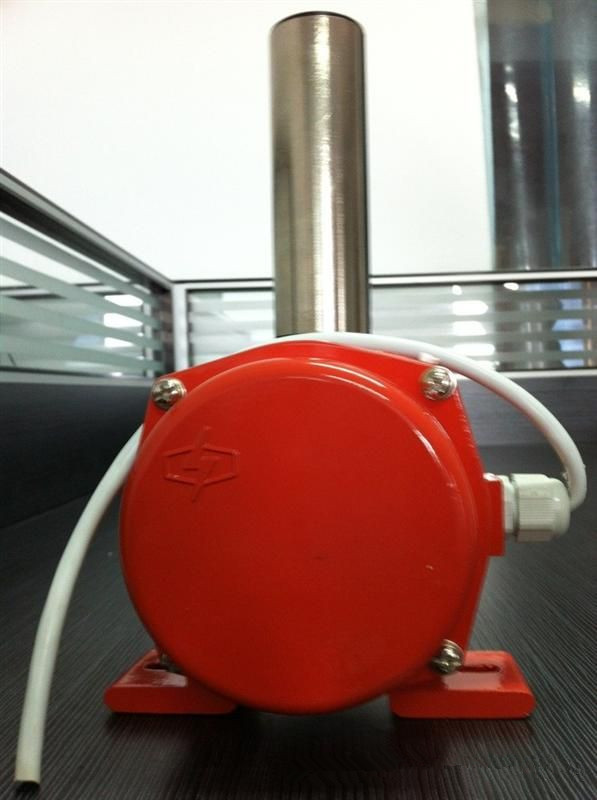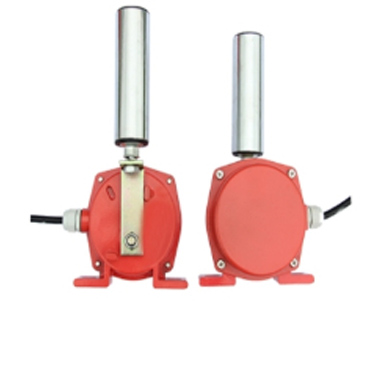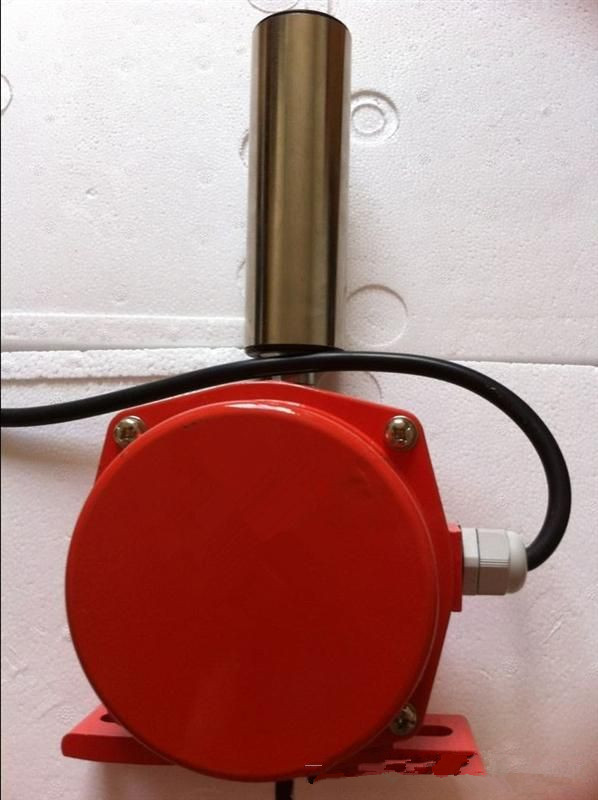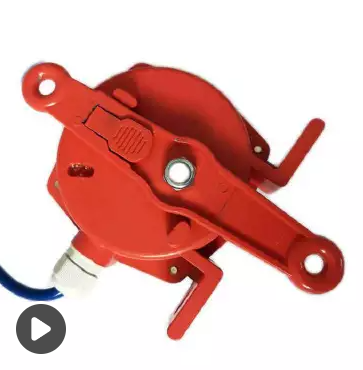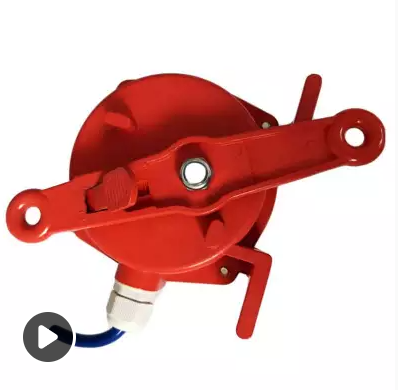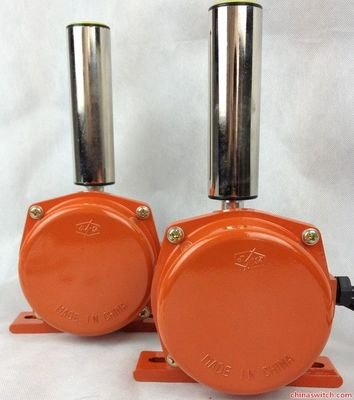
The belt deviation switch ELAP-20 is a safety device used to monitor and prevent belt conveyor system deviation. This switch is designed to detect the deviation of the conveyor belt, ensuring that an alarm or shutdown signal is triggered in a timely manner when the belt deviates from the normal operating track, thereby protecting the conveyor equipment and improving the safety of the production line.
The ELAP-20 belt deviation switch uses a detection arm to monitor the deviation of the belt. When the belt deviates and touches the detection arm, the switch will immediately trigger the preset alarm or stop signal. This feedback mechanism can effectively prevent equipment damage, reduce production interruptions, and ensure the normal operation of equipment.
The ELAP-20 belt deviation switch is widely used in belt conveyor systems in industries such as mining, metallurgy, power, chemical, and ports. Its high sensitivity and durable design enable it to effectively monitor belt deviation in different environments, ensuring the safe operation of the production line.
The belt deviation switch ELAP-20 provides reliable safety assurance for belt conveyor systems with its high sensitivity, durable design, and multiple output functions. By timely detecting and responding to the deviation of the belt, ELAP-20 effectively prevents equipment damage and production accidents, ensuring the stability and safety of industrial production.
1. How to set the installation angle of ELAP-20 belt deviation switch?
The installation angle of the ELAP-20 belt deviation switch can be adjusted between 20 ° and 45 °. According to actual needs, you can adjust the angle of the detection arm to ensure accurate monitoring of the offset of the belt. During installation, it is recommended to install the switch at a critical location on the belt, such as near the drive drum or return section, to maximize monitoring accuracy.
2. What are the working environment requirements for the ELAP-20 belt deviation switch?
The ELAP-20 belt deviation switch is suitable for working environments with an ambient temperature range of -20 ℃ to+60 ℃. Its protection level is IP65, with good dustproof and waterproof performance, and can work stably in harsh industrial environments. However, to ensure the long-term stability of the equipment, it is recommended to avoid using it under extreme conditions beyond these environmental conditions.
3. How to perform daily maintenance on ELAP-20 belt deviation switch?
When maintaining the ELAP-20 belt deviation switch on a daily basis, it is necessary to regularly check the working status of the equipment. Focus on checking whether the detection arm is worn or dusty, and clean it accordingly. Check if the electrical connections are secure and ensure the stability of the circuit. Regularly adjust the angle and sensitivity of the detection arm to ensure that the equipment can accurately detect the offset of the belt. Performing these maintenance tasks helps to maintain the long-term reliability and performance of the equipment.