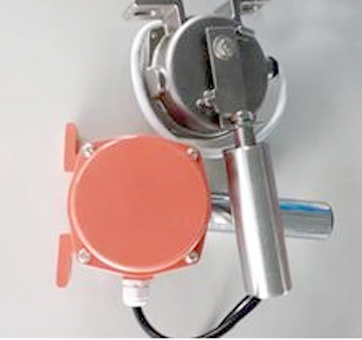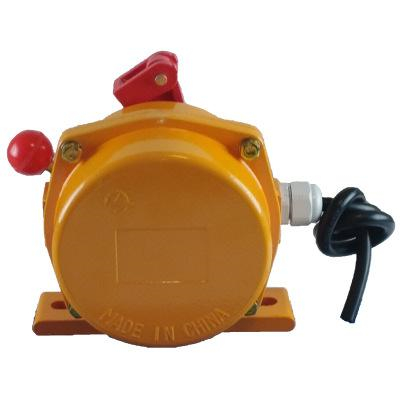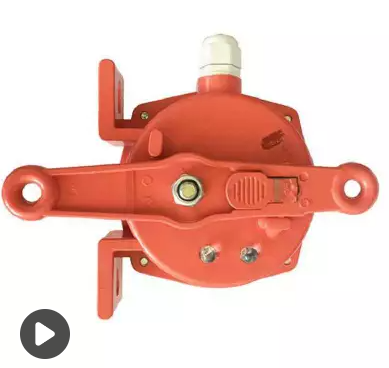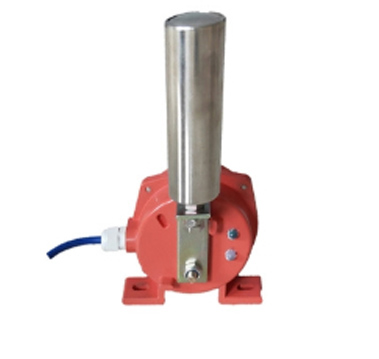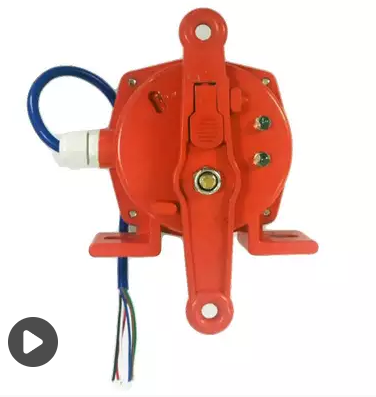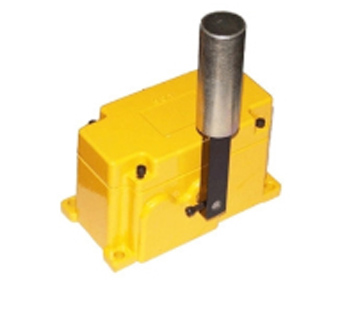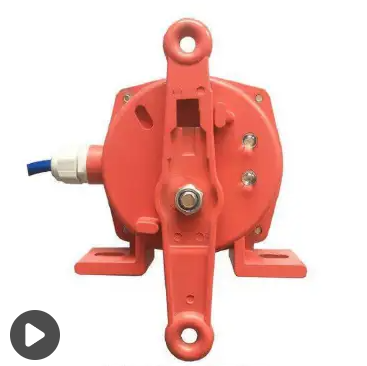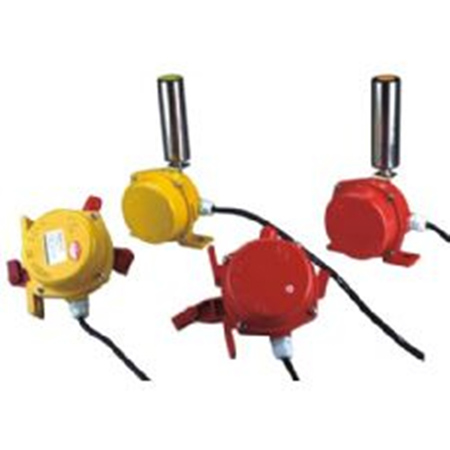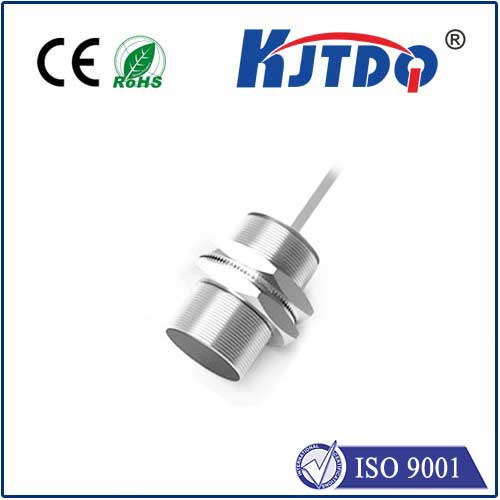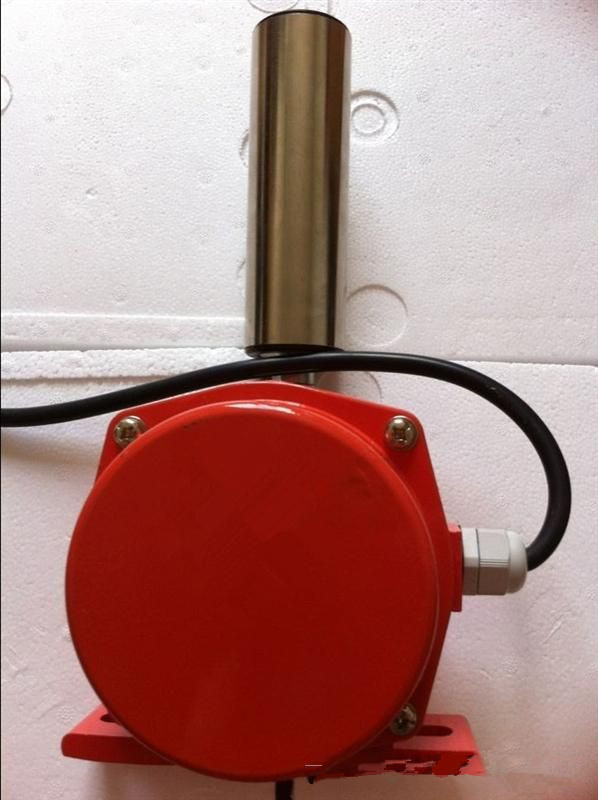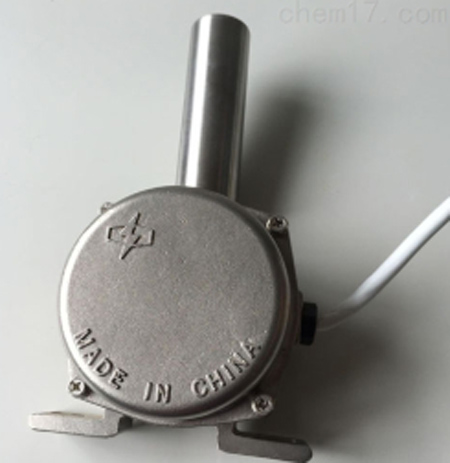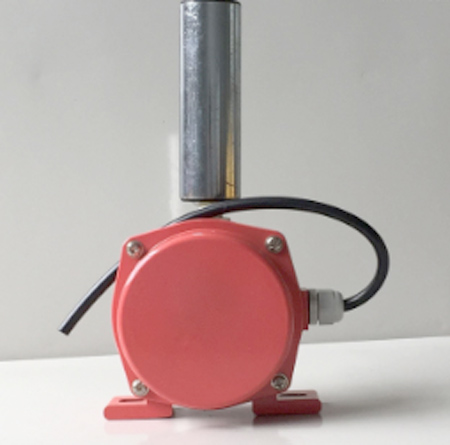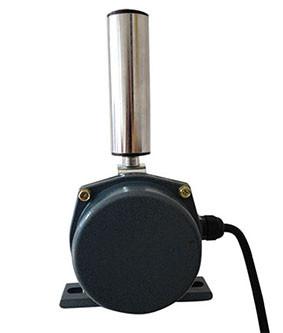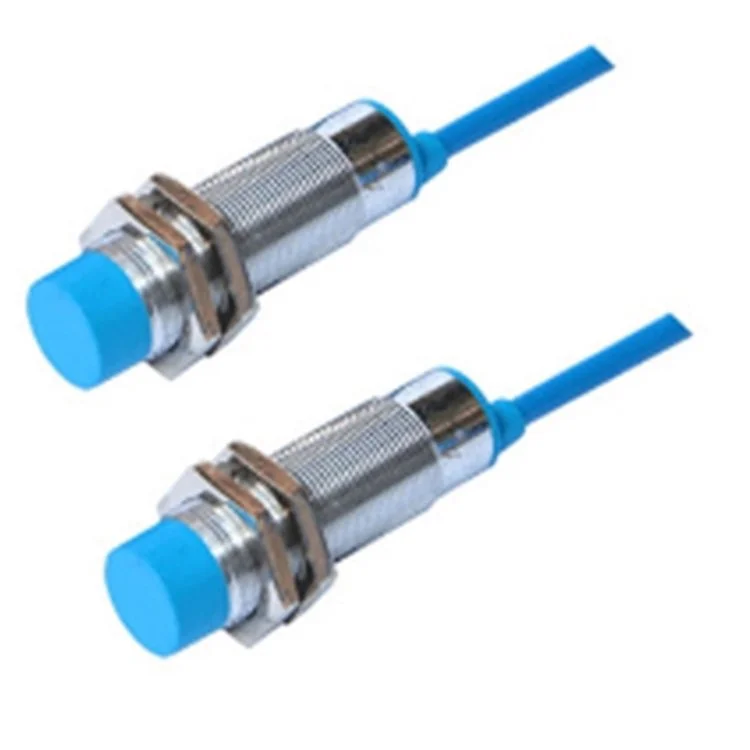
Product Overview:Hall proximity switch J8-D25B1 is a sensor based on the Hall effect principle, specifically designed for non-contact detection of the presence or position changes of magnetic objects. Its design and application make it play an important role in various industrial automation and control systems.
Main features:
- working principleUsing Hall effect technology, changes in magnetic field can be detected, triggering switch actions. Its non-contact design can avoid wear and improve the reliability and service life of the sensor.
- Detection objectMainly used to detect the presence of permanent magnets or other magnetic objects. Suitable for situations that require precise position detection.
- Output methodUsually provides switch output signals, such as normally open (NO) or normally closed (NC) contacts, for use in control systems or equipment.
- Installation methodIt can be installed on the equipment through screws or other fixing devices, making installation simple and stable.
- Exterior DesignCompact design, suitable for installation environments with limited space. A sturdy casing protects its internal components, ensuring reliable operation in harsh environments.
Technical specifications:
- working voltageUsually 5V, 12V, or 24V DC (please refer to the product data sheet for specific models).
- Working temperature rangeUsually ranging from -25 ° C to+70 ° C (please refer to the product data sheet for specific models).
- Sensing distanceDepending on the strength of the magnet and the design of the switch, it usually ranges from a few millimeters to a few centimeters.
- type of outputUsually it is a switch type output, and normally open or normally closed contacts can be selected according to requirements.
- Protection levelGenerally has IP65 protection level, dustproof and waterproof, suitable for industrial environments.
Application areas:
- automation equipmentUsed to detect the position and status of automated equipment such as robotic arms and conveyor belts.
- Security systemDetect the on/off status of doors and windows, used for security and alarm systems.
- automotive industryUsed to detect wheel position, engine speed, etc.
- Consumer ElectronicsUsed for magnetic switch control in devices such as mobile phones and computers.
Installation and maintenance:
- Installation precautionsInstallation should be carried out according to the recommended installation distance in the product manual to ensure the best detection effect. Avoid strong magnetic field interference during installation to avoid affecting the normal operation of the sensor.
- maintainRegularly check the working status of the sensor to ensure that there is no physical damage or dirt affecting its performance. When cleaning, clean fabrics should be used and chemical cleaning agents should be avoided.
Summary:The Hall proximity switch J8-D25B1 is suitable for various applications that require the detection of magnetic objects. Its high reliability and non-contact detection function make it one of the important sensors in industrial automation and control systems. Ensure the selection of appropriate models and installation locations based on specific application requirements to achieve optimal detection results.
Related Q&A FAQs:
1. How to adjust the sensing distance of Hall proximity switch J8-D25B1?
Users may want to know how to adjust the sensing distance of Hall proximity switches to accommodate different magnet strengths or detection requirements.
2. How does the Hall proximity switch J8-D25B1 perform in high temperature or strong magnetic field environments?
Users may be concerned about the stability and reliability of Hall proximity switches in high temperature or strong magnetic field environments.
3. How to choose a suitable magnet to match the Hall proximity switch J8-D25B1?
Users may want to know how to select and configure magnets to ensure that Hall proximity switches can correctly detect the presence or position of magnets.