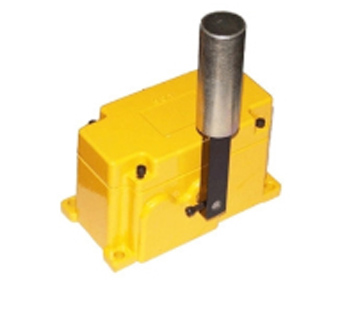
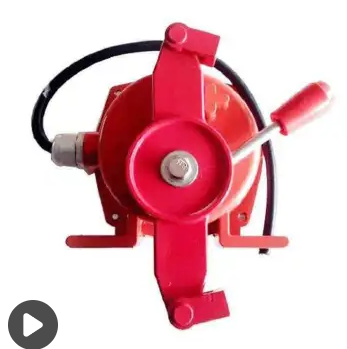
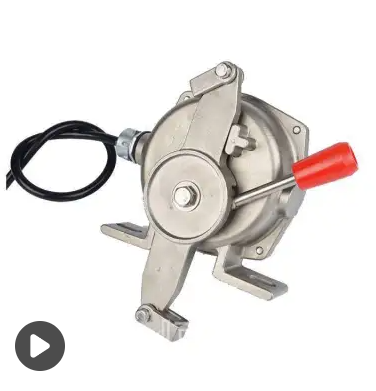
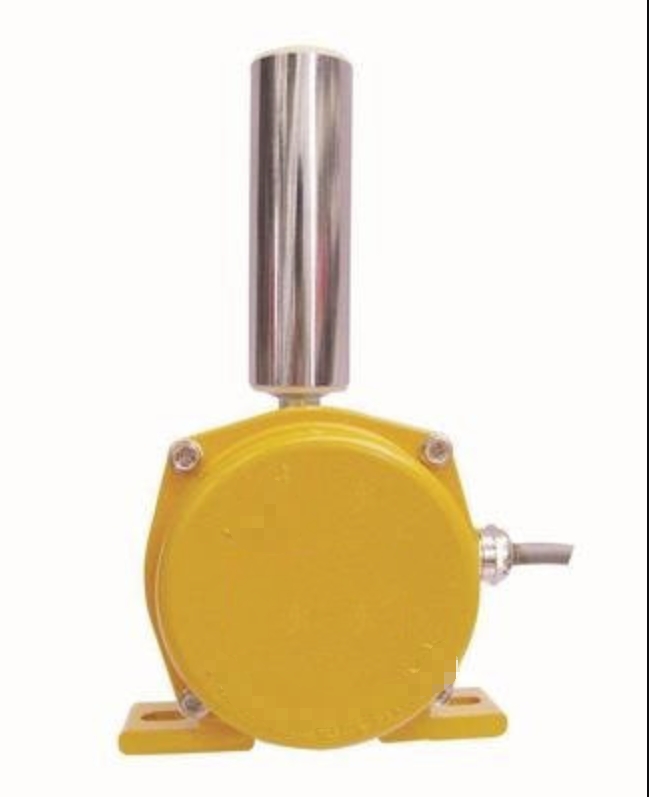
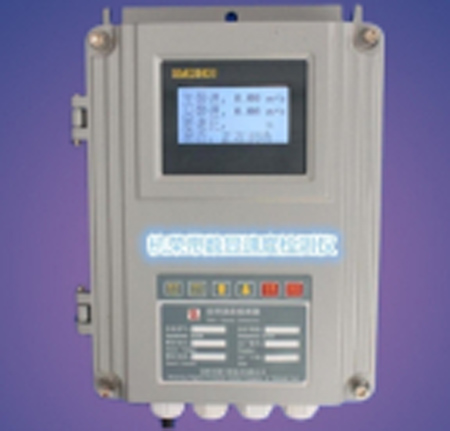
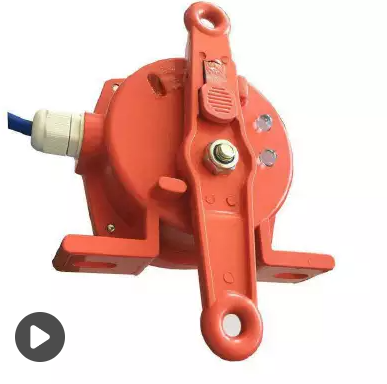
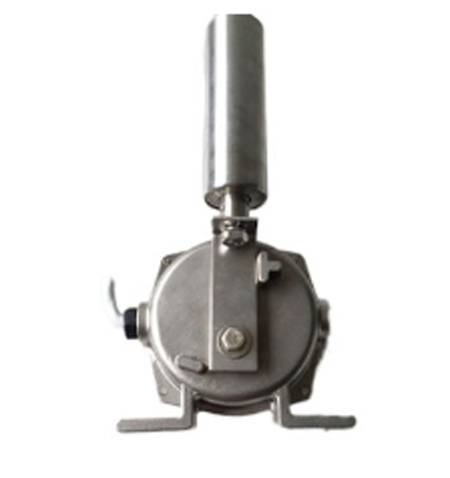
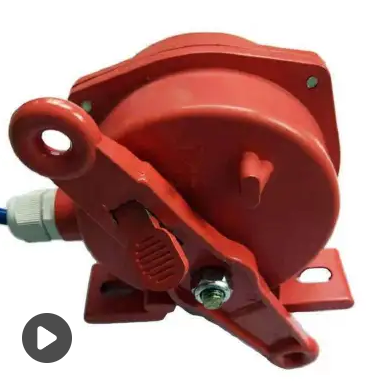
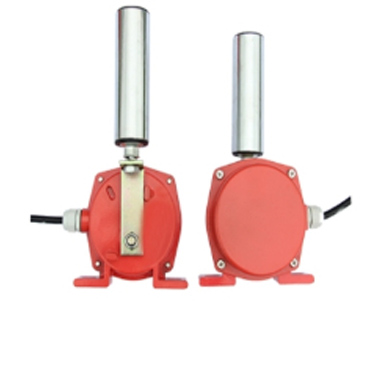
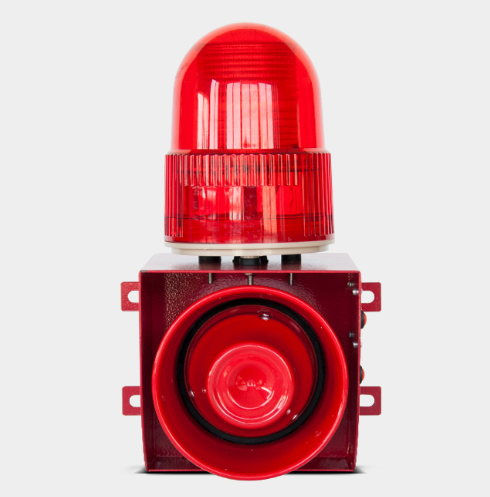
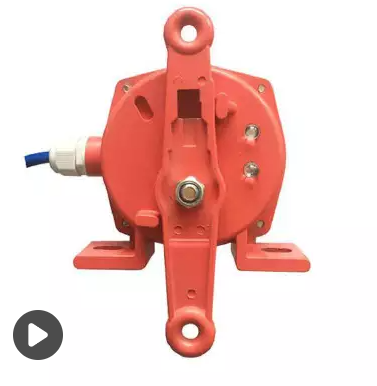
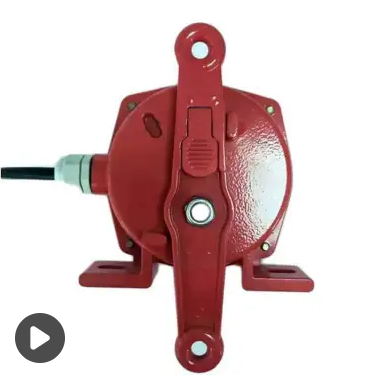
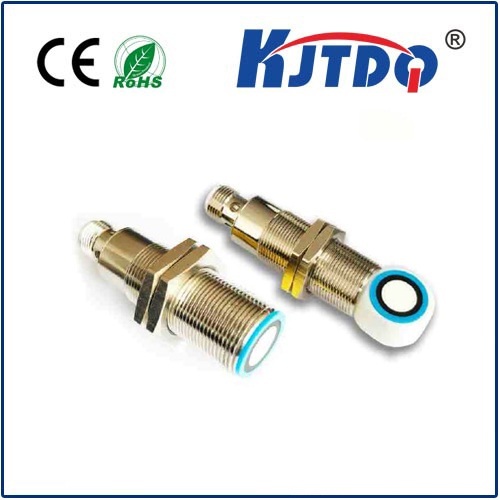
High temperature resistant proximity switch is a type of proximity switch that can operate normally in high-temperature environments. A proximity switch is a non-contact sensor used to detect the presence or position of an object. It is commonly used in automation control systems to sense the approach or departure of objects without physical contact.

The characteristics of high-temperature resistant proximity switches include:
High temperature resistanceCan work stably in high temperature environments. Different models have different temperature ranges and can typically withstand temperatures up to 100 ° C or higher.
Non contact typeDetecting objects through electromagnetic, optical, or capacitive technology principles avoids wear and damage caused by direct contact.
high reliabilityDesigned for harsh environments, it has strong durability and stability, effectively reducing maintenance requirements.
High temperature resistant proximity switches are commonly used in high-temperature industrial environments, such as steel production lines, glass manufacturing, heat treatment furnaces, etc. In these environments, ordinary proximity switches may fail due to high temperatures.
1. What are the differences between high-temperature resistant proximity switches and ordinary proximity switches?
High temperature resistance: High temperature resistant proximity switches are designed to withstand high temperature environments, while ordinary proximity switches may fail at high temperatures.
Materials and Structure: High temperature resistant proximity switches typically use high-temperature resistant materials and special designs to ensure normal operation at high temperatures.
Application scope: High temperature resistant proximity switches are mostly used in high-temperature industrial environments, such as steel production, glass manufacturing, etc., while ordinary proximity switches are suitable for environments with relatively low temperatures.
2. What precautions should be taken when using high-temperature resistant proximity switches in high-temperature environments?
Working temperature range: Ensure that the selected proximity switch meets the temperature requirements of the specific application.
Installation location: Try to avoid exposing the proximity switch directly near extreme high temperature sources to extend its service life.
Heat dissipation measures: If possible, design appropriate heat dissipation devices for proximity switches to help them maintain normal operation at high temperatures.
3. How to choose a high temperature resistant proximity switch that suits your needs?
Temperature range: Select proximity switches that can work in the application environment to ensure their high temperature resistance meets the requirements.
Sensing distance: Select the appropriate sensing distance according to application requirements to ensure effective detection of the target object.
Material and protection level: Select proximity switches with high temperature resistant materials and appropriate protection levels to adapt to harsh environments.
Supplier Support: Choose reputable suppliers who can provide technical support and services to help select suitable products and address potential issues.