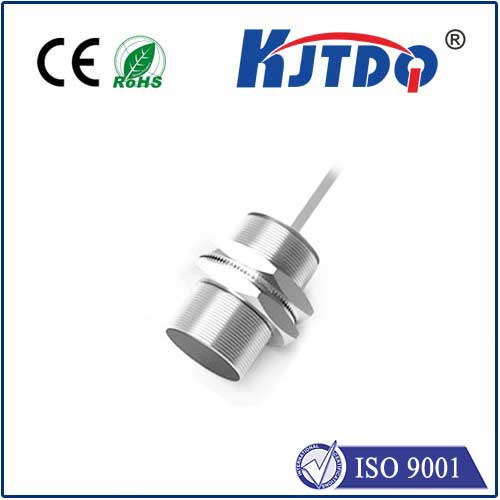
GSU 11D/66.3-S12 is a high-precision ultrasonic label sensor designed specifically for detecting transparent or semi transparent labels. It uses ultrasonic technology to accurately identify small differences between labels and backing paper, ensuring precise detection of labels in high-speed applications.
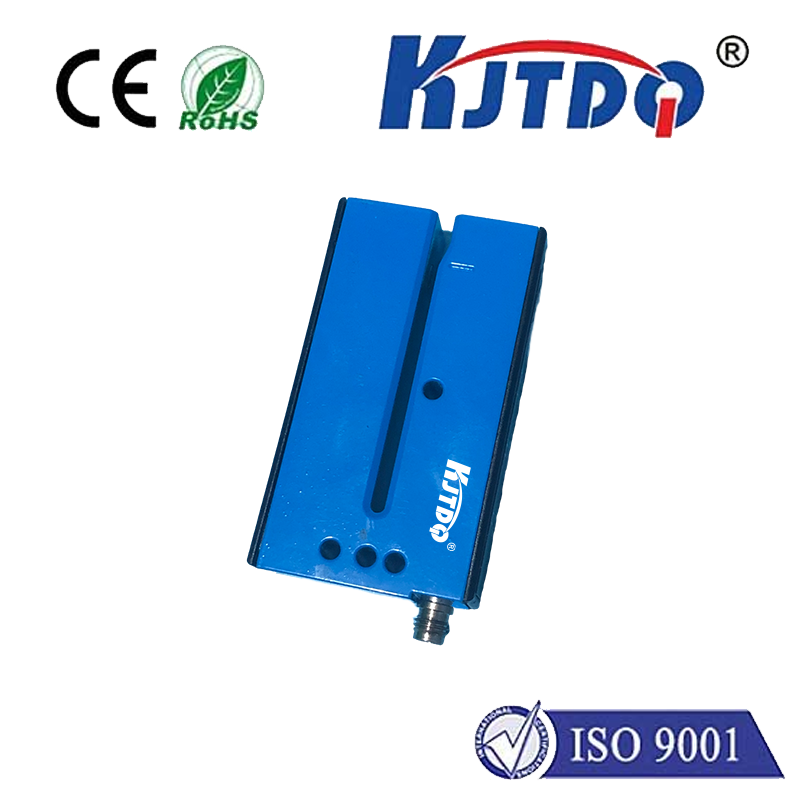
Main features:
Technical parameters:
Application areas:GSU 14d/66.3-S12 is widely used in printing, packaging, label processing, food and beverage industries, and can provide reliable label detection services under high-speed and high-precision requirements.
Installation and use:Align the sensor with the position between the label and the backing paper during installation, and adjust the sensitivity to ensure optimal detection performance. This sensor supports multiple installation methods and can be adjusted according to specific needs.
Possible questions you may want to know:
How to maintain high-precision detection on different label materials for GSU 14d/66.3-S12?
answerGSU 11D/66.3-S12 uses ultrasonic technology to identify small differences between labels and backing paper, ensuring high-precision detection regardless of whether the label material is transparent, semi transparent, or opaque.
Can sensors work stably in high-speed applications?
answerYes, the response time of GSU 11D/66.3-S12 is very short (≤ 2 ms), suitable for use on high-speed production lines, ensuring that every label can be accurately identified.
What environments are suitable for using GSU 14d/66.3-S12?
answerThe sensor is designed to be sturdy and can be used in various harsh industrial environments, such as damp, dusty, or vibrating areas. Meanwhile, its operating temperature range is -10 ° C to+60 ° C, suitable for most operating environments.
1. What is the ultrasonic detection principle of GSU 11D/66.3-S12 sensor?
The GSU 14d/66.3-S12 sensor uses ultrasonic technology for detection. It emits ultrasonic signals and receives signals reflected back from the label or backing paper. By analyzing the time and intensity of the echo signal, the sensor can determine the presence and location of the tag. This technology enables it to maintain high-precision detection under different materials and surface conditions of the label.
2. How to adjust the sensitivity and detection range of GSU 11D/66.3-S12 sensors?
The sensitivity and detection range of GSU 11D/66.3-S12 sensors can be adjusted through the adjustment knob or programming menu on the device. When adjusting, the sensitivity setting should be optimized based on the characteristics of the actual label and base paper to ensure that the sensor can accurately detect the label and reduce false positives.
3. How does the sensor perform in high temperature or humidity environments?
The GSU 11D/66.3-S12 sensor design is resistant to challenges in industrial environments. Its working temperature range is -10 ° C to+60 ° C, and it has good waterproof and dustproof performance, making it stable even in high temperature and high humidity environments. Proper installation and adjustment can further enhance its performance in extreme environments.